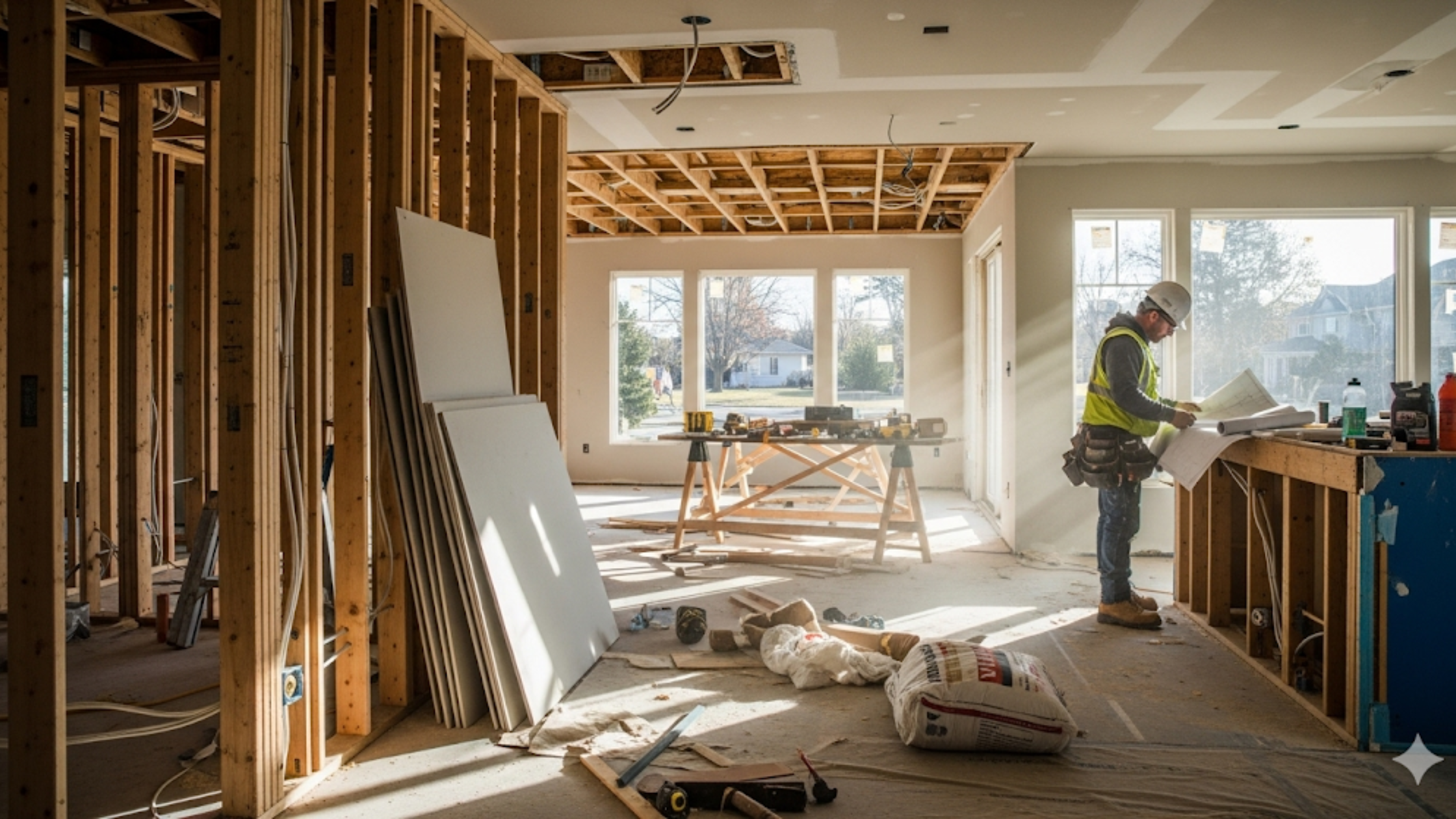
A home renovation can be one of the most rewarding projects a homeowner takes on. Whether you are updating a dated kitchen, remodeling a bathroom, finishing a basement, replacing flooring, or giving your entire home a fresh new look, renovation has the power to improve comfort, functionality, and long-term property value.
But a successful renovation does not happen by accident. Behind every smooth project is a clear plan, a realistic budget, careful preparation, and smart decision-making. Without proper planning, even a small home improvement project can quickly become stressful, expensive, and time-consuming.
The good news is that you do not need to be a professional contractor to plan your renovation wisely. With the right steps, homeowners can approach the process with confidence and avoid many common mistakes.
Here is a complete guide to planning a successful home renovation from start to finish.
Start with a Clear Renovation Goal
Before buying materials, calling contractors, or tearing anything out, start by asking one important question: What do you want this renovation to accomplish?
Every project should have a clear purpose. Some homeowners renovate to improve daily comfort. Others want to increase home value, create more storage, modernize an outdated space, repair damage, or prepare the home for resale.
For example, a kitchen renovation may focus on better workflow, more counter space, updated appliances, and improved lighting. A bathroom remodel may focus on safety, water efficiency, storage, and a cleaner design. A basement renovation may be about creating a family room, guest suite, home office, or rental space.
When your goal is clear, every decision becomes easier. You can choose materials, layouts, finishes, and upgrades based on what truly matters instead of getting distracted by trends or unnecessary extras.
Create a Realistic Budget
Budgeting is one of the most important parts of any renovation. Many projects become stressful because homeowners underestimate the total cost or forget to plan for unexpected expenses.
Start by deciding how much you are comfortable spending. Then break your budget into categories such as labor, materials, permits, fixtures, appliances, tools, design services, cleanup, and temporary living adjustments if needed.
It is also smart to set aside a contingency fund. Renovations often reveal hidden issues, especially in older homes. You may discover plumbing problems, electrical concerns, water damage, uneven flooring, mold, or outdated wiring once work begins. Having extra money reserved can help you handle surprises without stopping the entire project.
A good rule of thumb is to avoid spending your full budget on the initial plan. Give yourself financial breathing room so the renovation stays manageable from beginning to end.

Prioritize Needs Before Wants
It is easy to get excited about beautiful finishes, stylish fixtures, and high-end design features. However, a successful renovation starts with priorities.
Make two lists: must-haves and nice-to-haves.
Must-haves are the essential improvements that directly affect function, safety, comfort, or project goals. These may include repairing damaged flooring, improving ventilation, replacing old plumbing, adding storage, upgrading lighting, or fixing layout problems.
Nice-to-haves are features you would enjoy but can live without if the budget becomes tight. These might include luxury tile, custom cabinets, designer hardware, premium appliances, or specialty lighting.
This approach helps you make better decisions if costs increase. Instead of cutting important upgrades, you can adjust optional features while still completing the main purpose of the renovation.
Research Before You Begin
Good research can save time, money, and frustration. Before starting your project, learn as much as you can about the type of renovation you are planning.
Look into common materials, typical timelines, installation requirements, maintenance needs, and potential challenges. If you are doing a DIY project, watch tutorials, read step-by-step guides, and understand what tools and skills are required. If you are hiring professionals, learn enough to ask better questions and understand their recommendations.
Research also helps you compare options. For example, there are many types of flooring, countertops, cabinets, paint finishes, lighting fixtures, and bathroom materials. Each option has different costs, durability, maintenance needs, and installation requirements.
The more informed you are, the less likely you are to make rushed decisions that you may regret later.
Decide What You Can DIY and What Requires a Professional
DIY renovation can be a great way to save money and feel more connected to your home improvement project. Painting walls, installing shelves, replacing cabinet hardware, updating light fixtures, assembling furniture, landscaping, and simple cosmetic upgrades may be manageable for many homeowners.
However, not every task is ideal for DIY. Electrical work, major plumbing, structural changes, roofing, gas lines, complex tile installation, and large-scale remodeling often require professional experience. Mistakes in these areas can be dangerous, expensive, and difficult to fix.
Be honest about your skill level, available time, tools, and patience. A project that looks simple online may be more complicated in real life. Sometimes hiring a professional costs more upfront but saves money in the long run by preventing errors.
A smart renovation plan balances DIY enthusiasm with practical safety and quality considerations.
Build a Detailed Project Timeline
A renovation timeline helps keep the project organized. Even if delays happen, having a schedule gives you a clear roadmap.
Start by listing each stage of the renovation. This may include planning, design, permits, ordering materials, demolition, rough plumbing or electrical work, inspections, installation, painting, finishing touches, cleaning, and final review.
Some tasks must happen in a specific order. For example, you usually cannot install cabinets before electrical or plumbing rough-ins are complete. You should not paint before drywall repair is finished. Flooring may need to be installed before certain trim pieces but after messy construction work.
Also remember that materials may take time to arrive. Cabinets, countertops, custom doors, specialty tile, appliances, and fixtures may have delivery delays. Ordering early can prevent your project from stalling.
A realistic timeline should include extra room for delays, inspections, weather, contractor availability, and unexpected repairs.
Check Permits and Local Requirements
Some renovations require permits. This often depends on your location and the type of work being done. Projects involving structural changes, electrical systems, plumbing, HVAC, additions, decks, garages, and major remodels may need approval from local authorities.
Skipping required permits can cause problems later, especially if you sell your home or need insurance support after damage. Unpermitted work may also create safety issues if it is not completed according to code.
Before starting, check with your local building department or ask your contractor about permit requirements. It may feel like an extra step, but it can protect your investment and help ensure the work is completed properly.
Choose the Right Materials
Materials play a major role in the look, function, and durability of your renovation. The best choice is not always the most expensive option. The best material is the one that fits your lifestyle, budget, and maintenance expectations.
For high-traffic areas, durability matters. Flooring in entryways, kitchens, and family rooms should be able to handle daily wear. In bathrooms and laundry rooms, moisture resistance is important. In kitchens, countertops should be practical for cooking, cleaning, and everyday use.
Think about how you actually live. A household with children, pets, or frequent guests may need materials that are easy to clean and resistant to scratches. A low-maintenance homeowner may prefer simple finishes over delicate surfaces that require special care.
Good materials should support your lifestyle, not make daily life harder.
Hire Contractors Carefully
If your renovation requires professional help, choosing the right contractor is one of the most important decisions you will make.
Do not hire based only on the lowest price. Instead, compare experience, communication style, reviews, licensing, insurance, past work, and written estimates. A reliable contractor should be willing to answer questions, explain the process, provide clear pricing, and put important details in writing.
Before work begins, make sure you understand the scope of the project, payment schedule, timeline, materials, cleanup responsibilities, and how changes will be handled. A written contract protects both you and the contractor.
Good communication is essential. Renovations involve many decisions, and misunderstandings can lead to delays or added costs. Choose someone who communicates clearly and professionally.
Prepare Your Home Before Work Starts
Renovation can disrupt daily routines. Preparing your home ahead of time can make the process much smoother.
Clear furniture, decorations, personal items, and valuables from the work area. Protect floors and nearby rooms from dust. Set up temporary spaces if needed, such as a temporary kitchen during a kitchen remodel or an alternate bathroom during a bathroom renovation.
If you have children or pets, plan how to keep them safe and away from tools, dust, sharp materials, and active work zones. Let neighbors know if the project may involve noise, parking changes, or construction activity.
A little preparation can reduce stress once the renovation begins.
Expect the Unexpected
Even with excellent planning, surprises can happen. Renovation often involves opening walls, removing old materials, and dealing with conditions that were not visible at the beginning.
Hidden water damage, outdated wiring, uneven surfaces, supply delays, and design changes are common renovation challenges. Instead of expecting everything to go perfectly, prepare yourself mentally and financially for adjustments.
Flexibility is one of the most valuable renovation skills. When problems arise, focus on solutions. Review your options, ask questions, and make decisions based on your main project goals.
A successful renovation is not always one without problems. It is one where problems are handled wisely.
Keep Track of Decisions and Receipts
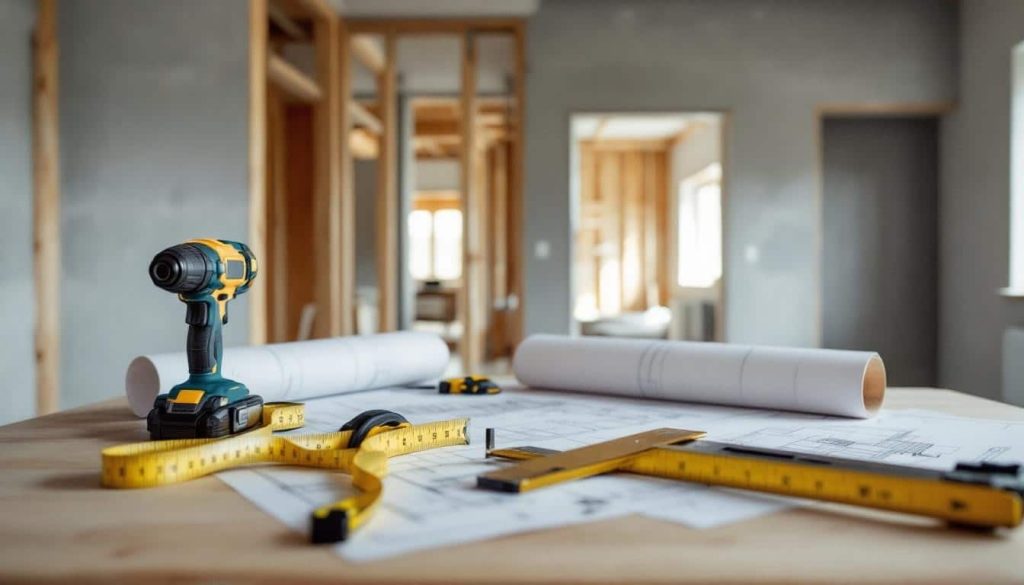
Organization matters during a renovation. Keep a folder or digital file with contracts, estimates, receipts, warranties, paint colors, product information, permit documents, measurements, and design notes.
This information can be useful during the project and long after it is finished. If you need to reorder materials, repair something, match a paint color, claim a warranty, or provide documentation when selling your home, organized records will save time.
You should also keep a running list of decisions that still need to be made. Renovations can involve many small choices, from faucet finishes to trim styles. Tracking them helps prevent last-minute pressure.
Review the Work Before Final Payment
Before making final payment to a contractor, carefully inspect the completed work. Walk through the space and compare the finished result with the original agreement.
Look for unfinished details, damaged materials, missing items, paint touch-ups, alignment issues, leaks, loose hardware, or anything that does not match the agreed scope. Make a punch list of items that need correction.
A professional contractor should expect a final review and be willing to address reasonable concerns. This step helps ensure the project is truly complete before you close it out.
Add the Finishing Touches
Once the major renovation work is complete, the final details bring the space to life. Furniture, lighting, rugs, artwork, plants, storage baskets, mirrors, curtains, and decorative accents can make the renovated area feel warm and complete.
Do not rush this part. After spending time and money on construction, choose finishing touches that support the function and style of the space. Sometimes small details make the biggest difference.
A beautifully renovated room should not only look good. It should feel comfortable, practical, and personal.
Maintain Your Renovated Space
A renovation is an investment, and regular maintenance helps protect it. Clean surfaces properly, follow care instructions for materials, check for leaks, touch up paint when needed, maintain appliances, and address small repairs before they become bigger problems.
Good maintenance keeps your renovation looking fresh and functioning well for years.
Final Thoughts
Planning a successful home renovation from start to finish requires more than inspiration photos and a shopping list. It takes clear goals, realistic budgeting, smart priorities, careful research, reliable professionals, and patience throughout the process.
Whether you are tackling a small DIY upgrade or a major remodel, preparation is the key to a smoother experience. When you understand your goals, know your budget, choose materials wisely, and stay organized, your renovation becomes much easier to manage.
A well-planned renovation can improve the way your home looks, feels, and functions every day. More importantly, it can help you create a space that truly supports your lifestyle.
With the right plan, your home improvement project can move from an idea to a finished space you are proud to enjoy.