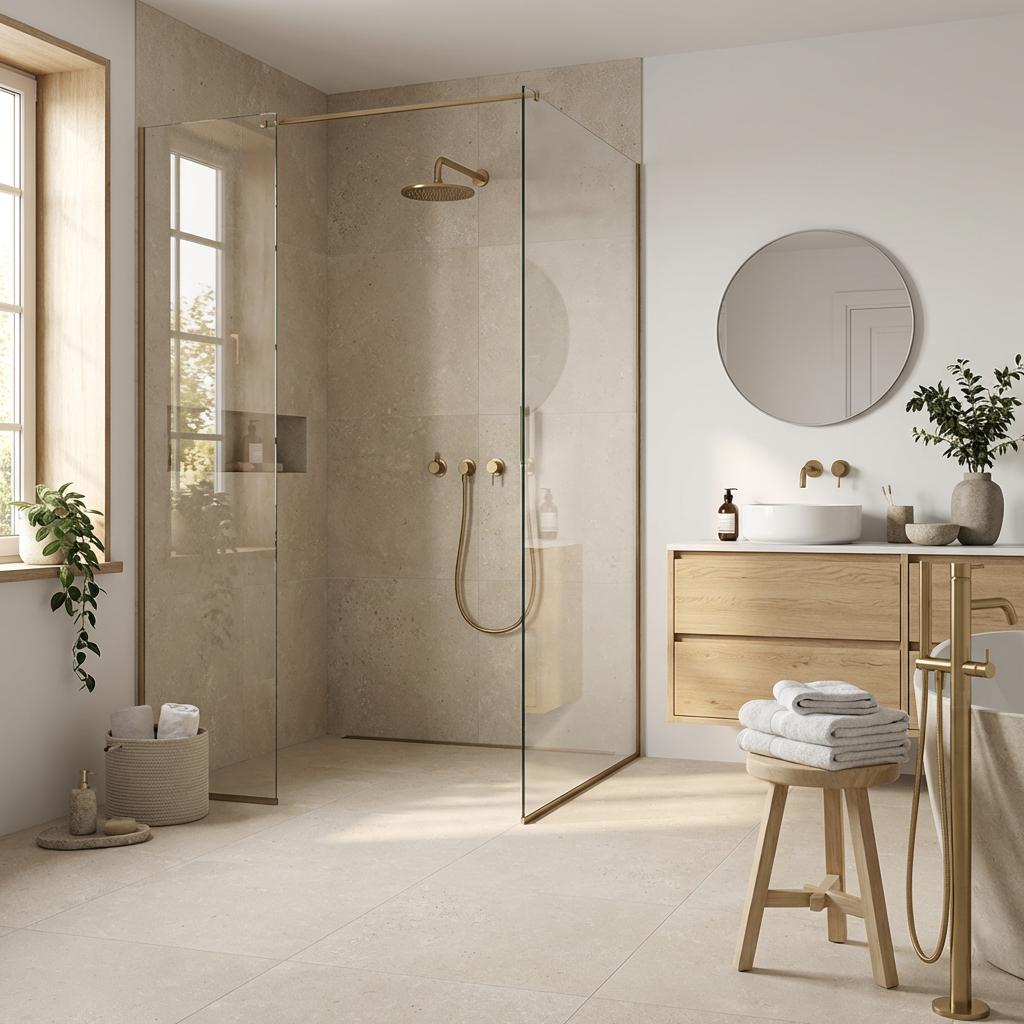
When planning a bathroom renovation, it is easy to spend hours choosing tiles and leave the grout color until the last minute. Yet grout can make a surprising difference to the finished room.
The right shade can help tiles look seamless and understated, highlight an attractive pattern, or add contrast to a simple design. The wrong choice, however, may make a small bathroom feel visually busy or draw attention to uneven tile spacing.
Fortunately, choosing grout does not need to be complicated. By considering your tile color, the size of your bathroom, your cleaning preferences, and the overall style you want to achieve, you can make a choice that looks good and works for everyday life.
1. Decide Whether You Want a Seamless or Contrasting Look
The first decision is whether you want the grout to blend in with the tiles or stand out.
Matching grout creates a calmer, more continuous appearance. It works particularly well with neutral tiles, minimalist bathrooms, and rooms where you want the fixtures or vanity to become the main focal point.
Contrasting grout makes individual tiles more noticeable. White tiles with dark grey grout, for example, create a defined grid that can give a bathroom a classic or contemporary look.
Neither approach is automatically better. The right choice depends on the effect you want.
If your bathroom already has patterned flooring, distinctive fixtures, or several competing finishes, matching grout may help keep the overall design balanced. If the tiles themselves are simple, contrasting grout can introduce visual interest without adding more decorative materials.
2. Match Grout to the Undertone of Your Tiles
Tile colors are not always as straightforward as they appear in a showroom.
A white tile might have a cool blue-grey undertone, while another may look warmer because it contains hints of cream or beige. Choosing grout with a similar undertone usually produces a more harmonious result.
Here are some useful starting points:
| Tile color | Grout colors to consider |
|---|---|
| Bright white | White, light grey |
| Warm ivory | Cream, warm beige |
| Light grey | Pale grey, medium grey |
| Beige or sand | Warm beige, taupe |
| Dark charcoal | Charcoal, dark grey |
| Green or blue | Coordinating muted grey or a carefully matched neutral |
These are starting points rather than strict rules. The tile finish, lighting, and surrounding materials can all affect how the colors appear together.
Before making a final decision, compare actual grout samples with your chosen tiles. A shade that looks perfect on a small printed chart may appear noticeably different across an entire shower wall.
3. Think About the Size of Your Bathroom
Grout color can change how a tiled surface is perceived.
In a small bathroom, grout that closely matches the tiles can reduce the appearance of individual tile boundaries, creating a more unified look. This can be especially effective with larger-format tiles.
Darker grout against light tiles creates a stronger grid pattern. That may be exactly what you want, but in a room with many small tiles, the additional visual detail can make the walls and floor feel busier.
For larger bathrooms, you have more freedom to experiment with contrasting colors, geometric layouts, and decorative tile patterns.
However, room size should not be the only consideration. If you love the appearance of white subway tiles with dark grout, there is no reason to avoid it simply because your bathroom is small. The goal is to create a design that feels intentional rather than follow a rigid rule.
4. Consider Cleaning and Everyday Maintenance
Appearance matters, but grout also needs to work for your household.
Light-colored grout can look fresh and clean, although some shades may show discoloration more readily in frequently used areas. Very dark grout can disguise certain marks but may show pale mineral deposits or soap residue, particularly in areas exposed to hard water.
Medium grey and taupe are popular alternatives because they offer a little visual contrast without making every grout line a prominent feature.
Keep in mind that grout color alone does not determine how easy a surface is to maintain. The grout material, installation quality, sealing requirements, ventilation, and cleaning routine also matter.
For example, cement-based grout may require sealing depending on the product, while some epoxy grouts have different maintenance characteristics. Always follow the manufacturer’s recommendations for the specific grout you choose.
In showers and other wet areas, proper waterproofing and regular cleaning are essential regardless of color.
5. Choose the Right Grout for the Tile and Location
Before deciding on a shade, make sure the grout itself is suitable for the installation.
Different grout products are designed for different joint widths, tile materials, and environments. A product suitable for a kitchen backsplash may not be the best choice for every shower floor or large-format tile installation.
Consider the following:
- Cement-based grout: Commonly used for many tile installations, with the exact product selected according to the joint width and application.
- Epoxy grout: Often offers strong resistance to stains and chemicals, but installation can be more demanding and product compatibility must be checked.
- Specialist grout products: Some are designed for particular tile materials, narrow joints, or specific wet-area applications.
Check the tile manufacturer’s guidance as well. Natural stone, glass tiles, and certain delicate finishes may need particular care to avoid scratching, staining, or other damage during grouting.
If you are unsure, ask your tile supplier or installer to confirm that the grout is appropriate for both the tile and the intended location.
6. Test the Color Before Committing
One of the most useful steps is also one of the easiest to overlook: test the grout color with your actual tiles.
Request sample cards or prepare a small sample board using spare tiles and the grout you are considering. Let the grout cure according to the manufacturer’s instructions before judging its final appearance.
Then look at the sample under different lighting conditions.
Bathroom lighting can be particularly deceptive. Warm bulbs may make beige grout look more yellow, while cooler lighting can emphasize grey or blue undertones. Natural daylight may produce yet another effect.
If possible, compare your sample near the vanity, shower, and floor rather than relying on a single location.
It is also worth viewing the tiles and grout from a normal standing distance. A combination that looks attractive when viewed close up may create a much stronger pattern across an entire wall.
Taking time to test the color is far less expensive than discovering you dislike it after the bathroom has been completed.
7. Coordinate Grout With Other Bathroom Finishes
Grout should work with the rest of the room rather than being selected in isolation.
If you have brushed brass fixtures, warm beige tiles, and a natural wood vanity, a warm neutral grout may help tie everything together.
For a more contemporary bathroom with chrome fittings, white fixtures, and cool grey tiles, a pale grey grout might feel more consistent.
You can also use grout to support a particular design feature. For example, a contrasting grout can emphasize a herringbone backsplash behind a vanity, while matching grout can allow patterned floor tiles to take centre stage.
Try to establish a small palette of complementary finishes before purchasing materials. This makes it easier to avoid ending up with several slightly different whites or greys that do not work well together.
Common Grout Color Mistakes to Avoid
Before finalizing your choice, keep these common problems in mind:
- Choosing a shade from a screen without checking a physical sample.
- Assuming all white or grey grout products have the same undertone.
- Selecting a very high-contrast combination without considering the overall tile layout.
- Choosing grout based on appearance alone without checking suitability for the installation.
- Forgetting that lighting and surrounding finishes can change how the color looks.
If you are renovating an existing bathroom, also consider the condition of the original tile surface. New grout cannot compensate for loose tiles, failed waterproofing, or underlying moisture problems. Those issues should be addressed before cosmetic improvements are made.
Final Thoughts
Choosing grout color is a small decision that can have a noticeable effect on the finished bathroom.
Matching grout creates a quieter, more continuous look, while contrasting grout highlights individual tiles and their arrangement. Neutral shades can provide a practical middle ground, but the best option ultimately depends on your tiles, lighting, maintenance preferences, and overall design.
Take time to compare samples, confirm that the grout is suitable for the installation, and consider how the entire room will look once everything is in place.
A little planning before installation can help you achieve a bathroom that feels cohesive, practical, and attractive for years to come.